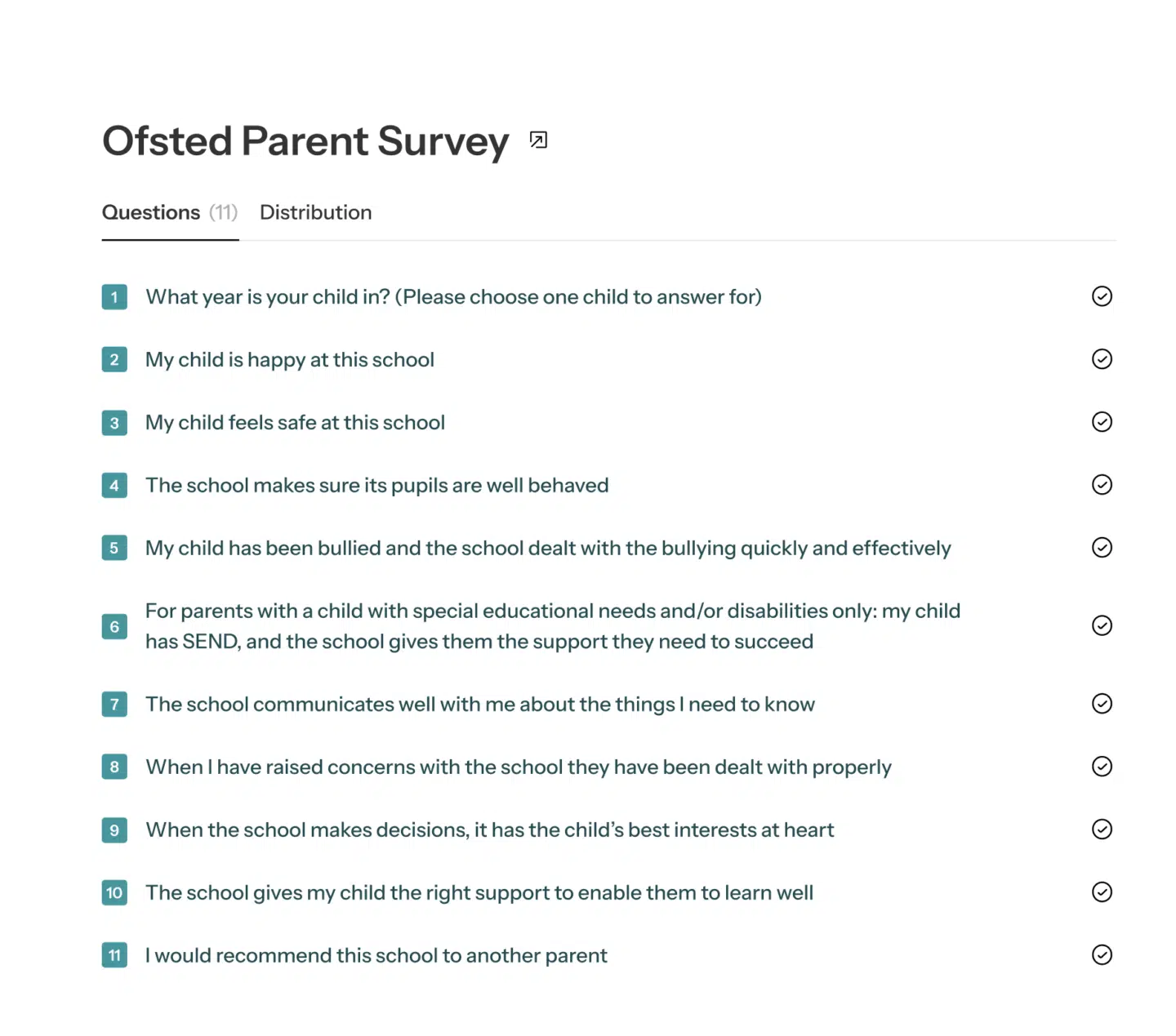
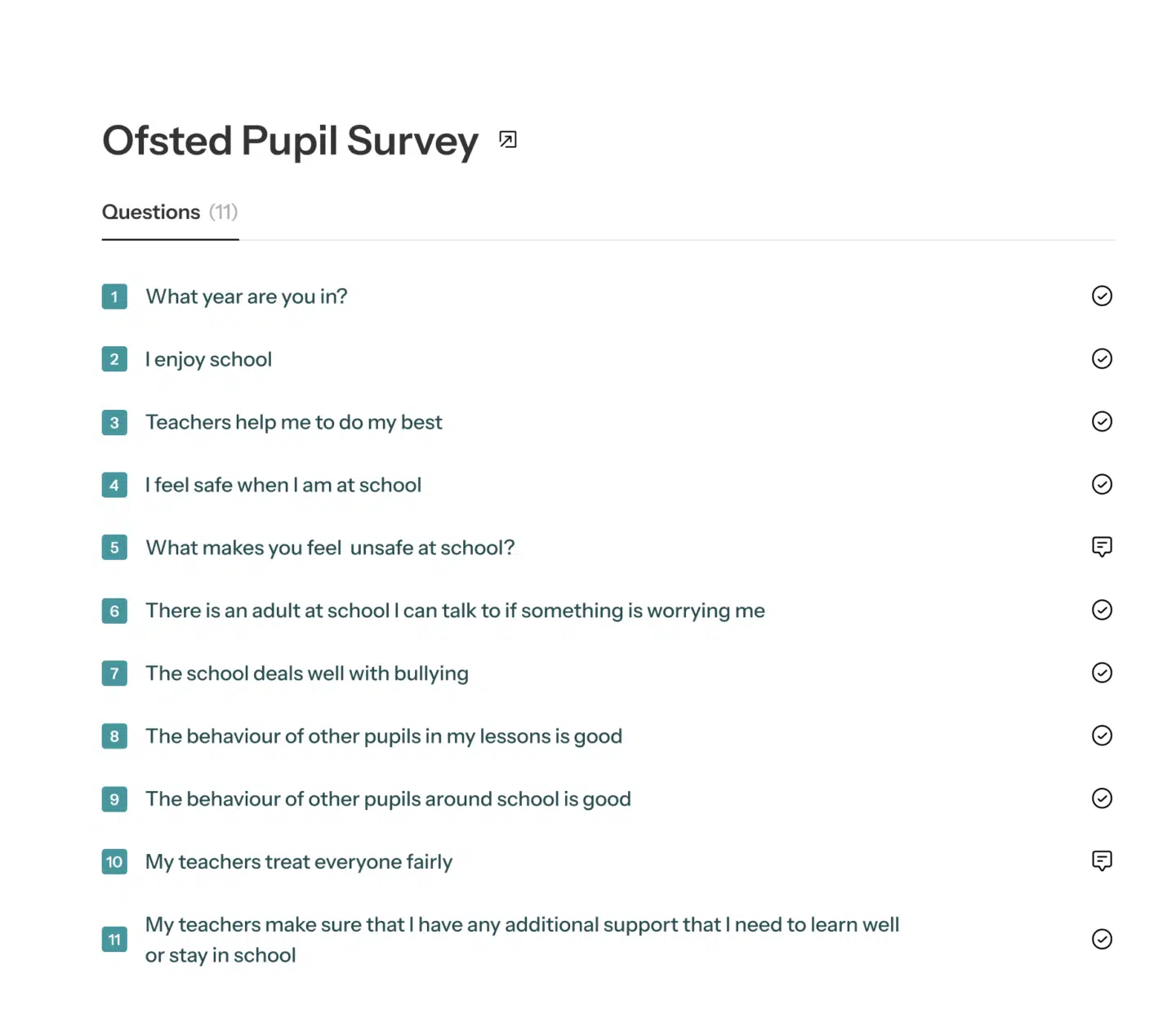
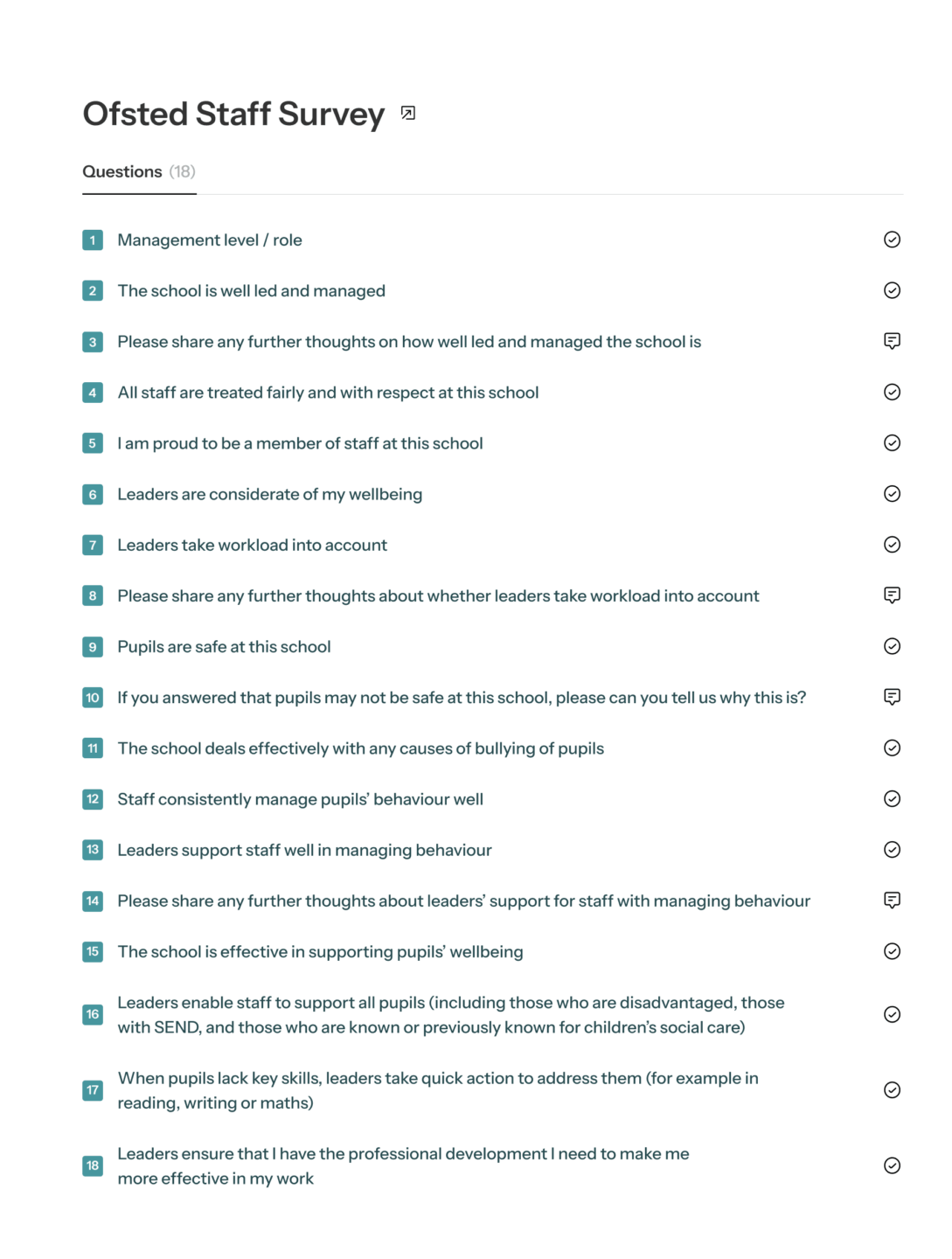
In Trust surveying – which approach fits your schools? we set out the full spectrum of options, from fully trust-led to fully school-managed. That article is deliberately even-handed; every trust is different, and there isn’t a single approach to surveying.
But we know it isn’t always the answer leaders want. In conversations, it’s common for a trust leader to say some version of, “Yes, but what would you actually do?” They’re not looking for a spectrum. They’re looking for a plan they could put on a page.
So here’s ours: one considered pattern, not the only right answer, but the shape we keep coming back to when trusts want enough central oversight to act strategically, without turning surveying into a heavy administrative exercise or crowding out what schools need to do locally.
Have a read and book a call if you’d like to discuss in more detail or see the platform in action.
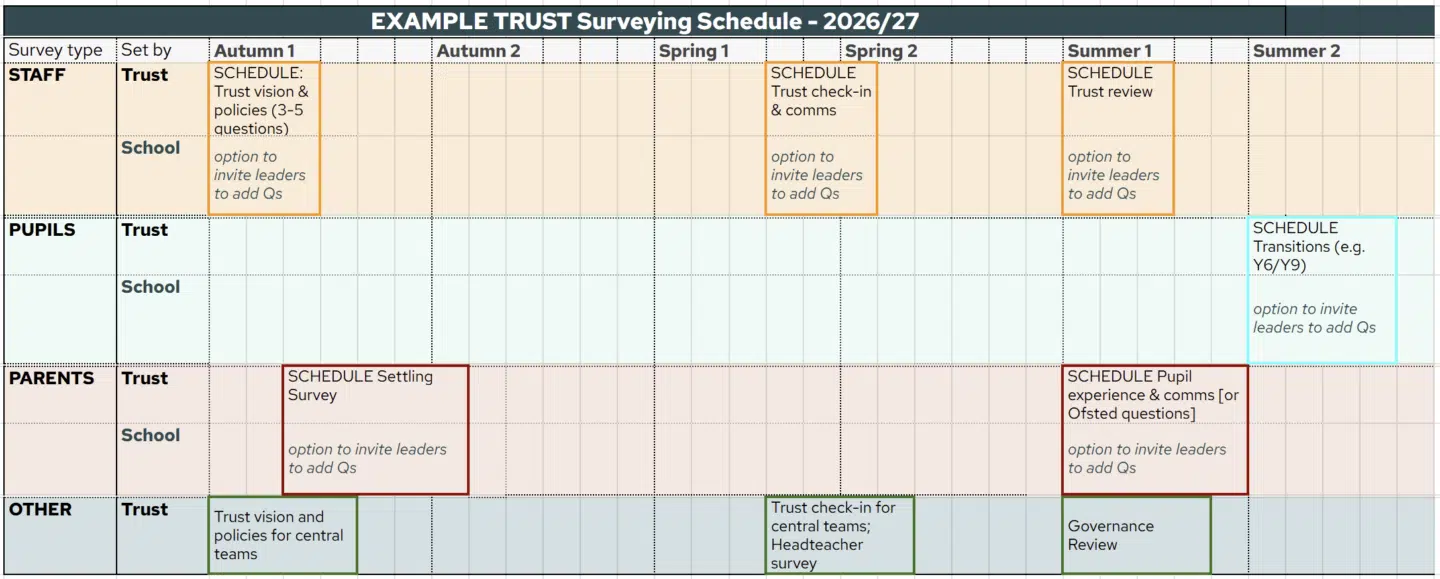
The pattern at a glance:
Why this approach?
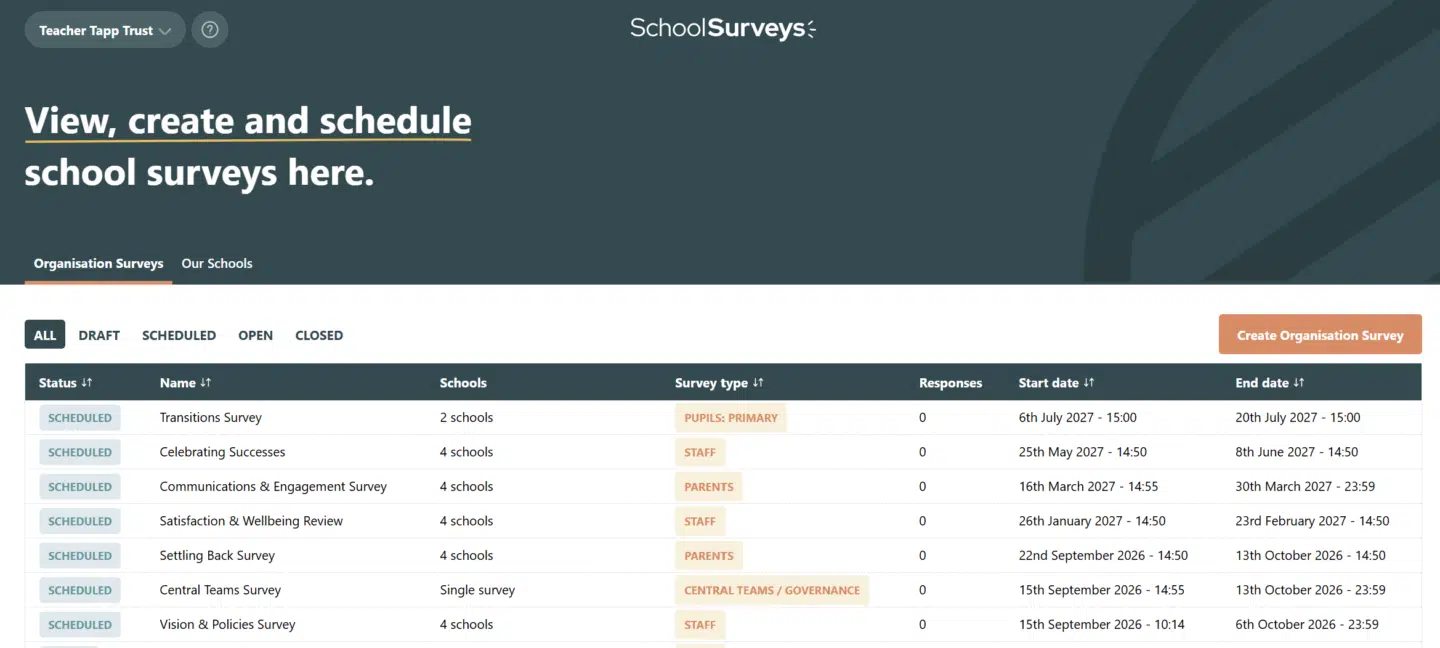
The overall approach here is one where the Trust is ensuring that there are three staff surveys and one or two parent surveys completed during the year, with various further smaller surveys and school-led options to supplement these. Pupil surveying could also be centrally coordinated; we haven’t in this example, save for a round of Transition surveys in the summer.
Staff surveying: 3 main ones across the year
Three feels like a good number to track a staff experience story across the year without tipping into survey fatigue (although note, we don’t recommend running a big traditional survey three times – these should be shorter, quicker surveys with perhaps 8 – 12 questions at most):
- Start of year (autumn): settling in, workload expectations, priorities for the year ahead. Use our Trust Vision & Policies template for your starting point.
- Mid-year (spring): a temperature check, often timed around performance management or a natural pinch point. We recommend the Job Satisfaction & Wellbeing template, or building on the Quick Check-In template
- Follow up (summer): reflection: what’s been working, what to carry into next year’s planning. Use the Celebrating Successes template.
Because these are trust-led, you get a trust-level report your leadership team and board can use directly, alongside comparability across schools. Trust-led doesn’t have to mean trust-only, though: joint surveying lets individual heads preview the survey and add their own questions before it goes out, so a head tracking a specific strand of their SDP can still do that, without a separate survey, and without staff getting two versions of similar questions in their inbox. Read how Joint Surveying works for a more detailed explanation of this approach.
Variations:
- Some Trusts prefer to run just two of these, usually in October and June.
- Some Trusts choose a half termly approach with six Trust-led surveys through the year. This builds in a stronger model of ‘temperature check’ and dynamic tracking of priorities. Whilst this is closer to the style Teacher Tapp first envisaged with School Surveys, we recommend ensuring buy-in from heads before adopting this to ensure that results will be embedded into their leadership and communications.
Parent surveying: once or twice a year
Our instinct is to suggest one trust-wide parent survey a year as the default. It’s notoriously hard to get good parent survey engagement and one well-timed survey may feel more manageable.
That said, two a year (e.g. autumn and summer) is actually worth considering. Ironically, we often see better response rates in these Trusts: where parents come to expect to hear reference to what they’ve said before, they are more likely to respond to the next request for feedback.
We have suggestions around improving parent survey engagement, starting, as ever, with the crucial work of embedding surveying into a genuine communication cycle. Read more with our tips for surveying parents.
Pupil surveys: mostly leave with the schools
Our suggestion is that this is an area you can leave to individual headteachers to work out. They can shape exactly what works for their context, from the questions to the timing. The recent trend towards increased pupil surveying runs the danger of breeding cynicism, as well as taking up too much valuable curriculum time, so either way, this is something to be mindful of. The exception in our example is running a set of transition surveys in the summer, where the Trust may want to lead coordinated support across the schools.
Alternatively, you could take the same approach of making this happen centrally, and schedule in some Trust-wide surveys for pupils. Most popular templates here are the Ofsted questions, and the Learning Engagement Reviews – really checking on high expectations and pupil attitudes to teaching and learning.
Making surveying work in practice
What have our Trusts told us works best?
1. Plan ahead. Mapping out your plan ahead of the year is a really good idea. This gives everyone a chance to know what’s coming and embed the work into busy schedules and important communications.
Download and edit this template to help you formulate your own plan.
2. Be clear about who will do what. Are you going to keep all surveying administration with the central team, or get individual headteachers (or others?) involved?
Think through the planning (setting the schedule, choosing the questions), the execution (inviting participation, tracking response rates, extending dates as needed), and what will happen with the results once the survey closes. With all three of these you can keep them held centrally or delegate out to the schools. And you can involve our system if you wish to for automatic distribution and reminders.
Decide what works for you and make sure everyone knows what is expected of them and by when.
Once you have a plan, you can schedule the whole year ahead. You can always make edits later on as the year unfolds. Here’s a Trust portal view with scheduled surveys for the year ahead:
3. Make results count. Wherever you plan for results to be analysed, it’s vital that you have a plan for commenting on them and building into ongoing communications about progress in the schools. This is what makes people feel it was worth doing the survey in the first place, and so much more likely to complete the next one.
We’d suggest a few golden rules to bear in mind: keep surveys fairly short (ideally under 12 questions); have a slot for people to complete the them in (five minutes at the start of a staff meeting say?); and schedule in your plan for sharing outcomes. “You Said, We Did…” helps build trust, even if sometimes you are saying, “Here’s why we aren’t doing X right now”.
Further support
Remember that we are always on hand to talk things through – do book a support session at a time that works for you.